Azure AZ-900: Fundamental Concepts

Learn the essentials for the Azure Fundamentals certification exam

Core Concepts of Azure

Azure Cloud Services

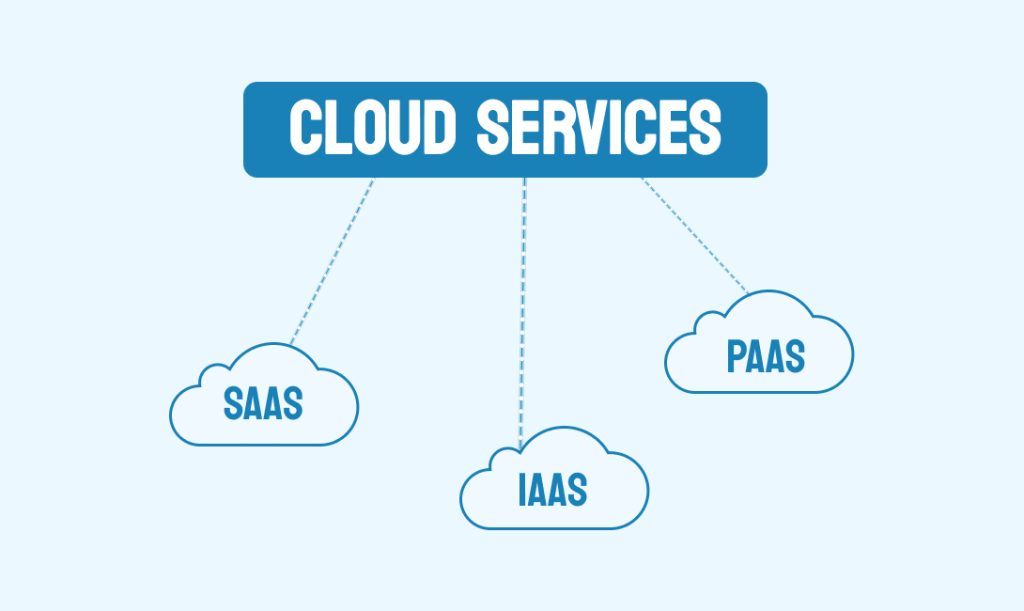
Azure provides a variety of cloud services that help organizations build, deploy, and manage applications and services. These services can be categorized as:

  • IaaS (Infrastructure as a Service): Provides virtualized computing resources over the internet.
  • PaaS (Platform as a Service): Offers hardware and software tools over the internet.
  • SaaS (Software as a Service): Delivers software applications over the internet.

Azure’s cloud offerings provide flexibility and scalability, catering to a wide variety of businesses and applications.

More

Azure's cloud infrastructure is designed to meet the needs of both small businesses and large enterprises. It offers flexible computing, networking, and storage options that you can scale as per your requirement.

With advanced security, data protection features, and a comprehensive compliance framework, Azure ensures that your applications run smoothly and securely in the cloud.
Azure Cloud Services

Regions and Availability Zones

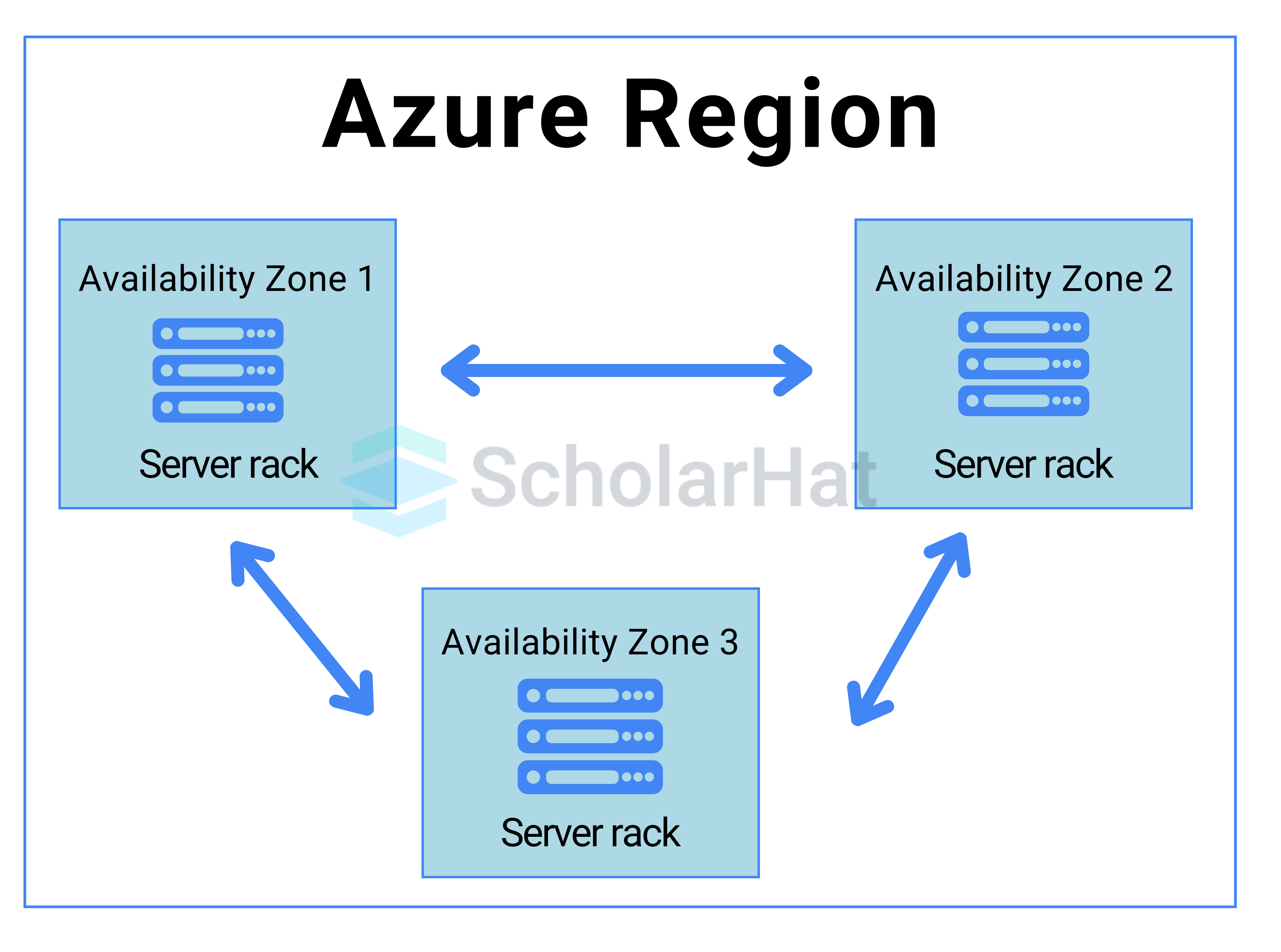
Azure operates in multiple global regions, ensuring high availability and resilience for applications. The concept of Availability Zones allows you to distribute your resources across multiple physical data centers in a region.

Availability Zones are key to ensuring business continuity in case of a regional outage. You can architect your apps to failover between Availability Zones for better fault tolerance.

More

Each Azure region is composed of multiple Availability Zones. These zones are geographically separated, ensuring resiliency and minimizing the impact of localized failures.

You can design your applications in a highly available manner by replicating your services across zones, ensuring they remain available even in the event of a zone failure.

Regions and Availability Zones
Compute Services

Virtual Machines

Azure Virtual Machines (VMs) provide scalable computing resources and support various operating systems like Windows, Linux, and others. They are ideal for applications that require full control over the environment.

VMs are highly customizable in terms of size, storage, and networking. You can configure them based on workload requirements.

Virtual Machines

App Services

Azure App Services is a platform-as-a-service (PaaS) offering that enables developers to host web apps, mobile backends, and APIs. This service supports languages like .NET, Node.js, and JavaScript.

App Services removes the burden of managing the underlying infrastructure, letting developers focus purely on writing and deploying code.

App Services
Storage Services

Blob Storage

Blob Storage is designed for storing large amounts of unstructured data such as documents, videos, or backups. It is highly scalable and allows for low-cost storage of massive datasets.

Blob storage is used for scenarios like content distribution, disaster recovery, and large data storage that require scalability and durability.

Blob Storage

File Storage

Azure File Storage provides fully managed file shares in the cloud. It uses the SMB (Server Message Block) protocol, making it easy to replace on-premises file servers.

It is ideal for applications that need a file system interface, such as legacy applications or hybrid cloud scenarios.

File Storage
Networking Services

Virtual Networks

Virtual Networks (VNets) are the foundation of your Azure network. They allow resources in Azure to securely communicate with each other, the internet, and your on-premises network.

With VNets, you can create a secure environment for your applications, allowing for effective isolation and segmentation of network resources.

Virtual Networks

Load Balancers

Azure Load Balancer distributes incoming network traffic across multiple instances of a service, ensuring that no single instance is overwhelmed.

It ensures high availability and scalability for applications by automatically distributing traffic to healthy resources.

Load Balancers
Security Services

Firewalls

Azure Firewall is a fully managed, cloud-based network security service. It helps protect your Azure resources from unauthorized access.

With advanced threat protection capabilities, it supports filtering of inbound and outbound traffic based on rules you define.

Firewalls

Azure Active Directory

Azure AD is a cloud-based identity and access management service. It allows you to control access to your resources, ensuring only authorized users can access applications and data.

Azure AD integrates with various Microsoft and third-party applications, enabling centralized management of identities and access control.

Azure AD